ADL by Trading Technologies: When a Strategy Builder Costs as Much as an Apartment
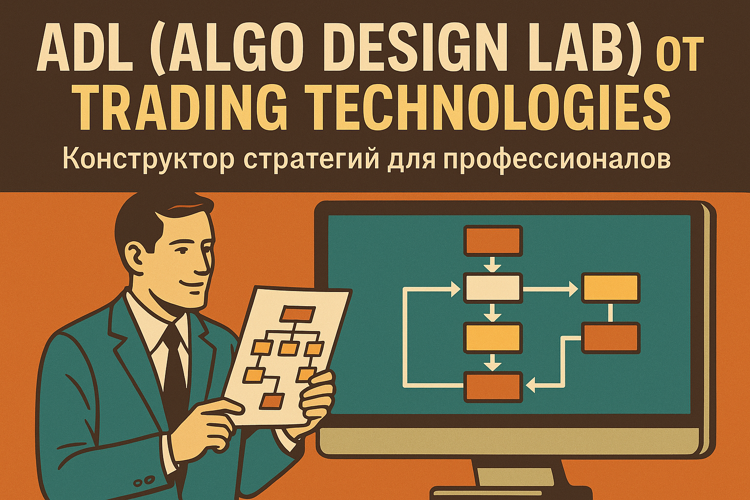
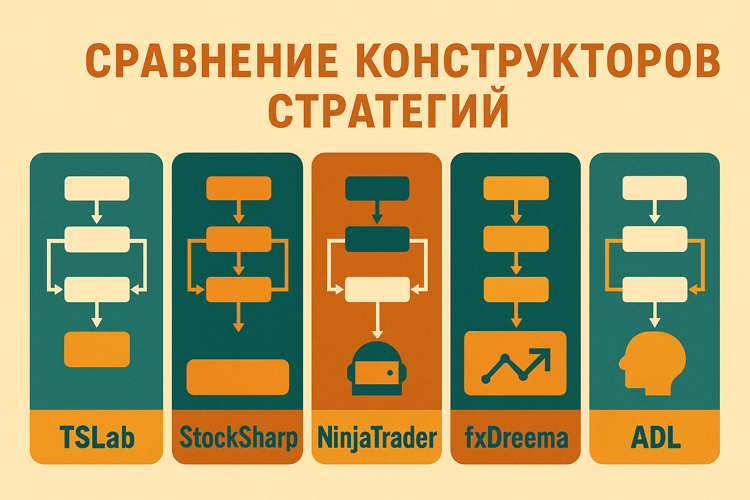
Over the past few weeks, I’ve been testing visual strategy builders. TSLab for 60,000 rubles a year, StockSharp Designer for free, NinjaTrader for 150,000, fxDreema for 10,000. It made sense to add ADL (Algo Design Lab) by Trading Technologies to the list — a builder for “professionals.”
I went to the Trading Technologies website. Found the ADL page. Nice screenshots, marketing about drag-and-drop, visual programming, integration with an institutional-grade platform.
Question: Where’s the “Download” button, or at least “Try It”?
Answer: there isn’t one.
How to Get Access to ADL (Spoiler: You Can’t)
ADL isn’t a standalone product. It’s a module within TT Platform Pro by Trading Technologies. To get ADL, you first need access to TT Platform.
I started looking into how to do that.
Option 1: Register on the TT website and download the platform.
Tried it. The website has a “Contact Us” form. Filled it out. Mentioned I wanted to test ADL for a review. A day later I got a response: “Thank you for your interest. We will contact you to discuss your trading needs.”
Two weeks passed. Nobody contacted me.
Option 2: Find a broker that provides access to TT Platform.
Googled it. AMP Futures, Optimus Futures, Discount Trading — several American brokers offer TT Platform. But everywhere it’s the same: “Pricing on request,” “Depends on trading volume,” “Contact us for a custom quote.”
I reached out to one of the brokers. Asked about access to TT Platform + ADL.
Response: “The minimum subscription to TT Platform Pro starts at $1,500 per month. Plus trade commissions. Plus market data fees. ADL is included free if you have TT Platform Pro.”
$1,500 per month. $18,000 per year. In rubles, that’s roughly 1.8 million.
For a visual strategy builder.
What I Could Learn Without Access
Since I couldn’t actually test ADL, I had to piece together information: TT documentation, YouTube videos, forums, trader reviews.
What ADL is:
It’s a visual algorithm builder embedded in TT Platform. Drag-and-drop interface, blocks for conditions and actions, backtesting on historical data. Conceptually similar to TSLab or StockSharp Designer.
Key difference: ADL lives inside a professional trading platform. TT Platform is used by hedge funds, prop traders, institutional players. This is not a retail product.
What it can do (according to documentation):
- Visual algorithm building through blocks
- Backtesting on historical data
- Real-time market simulation
- Integration with Order Management System (OMS)
- Direct algorithm execution into the order book
- Real-time performance monitoring
What it CANNOT do:
- Work outside TT Platform (no code export)
- Work for free or even cheaply
- Be accessible to an ordinary retail trader
Who Is This Even For?
I thought about this for several days. Here’s what I concluded.
ADL is not for retail traders. It’s not even for active individual traders. It’s for institutional players:
- Prop trading firms
- Hedge funds
- Market makers
- Large asset management companies
People who trade millions of dollars a day. For them, $1,500 per month for a platform is pocket change compared to their volumes.
The paradox: ADL is positioned as “a builder anyone can use to create algorithms.” But to get access, you need to pay like an institutional player.
Comparison With What I Actually Tested
Over the past few weeks, I actually worked with four visual builders:
TSLab — 60,000 rubles per year. Flowcharts, Russian market, Russian language. It works, but expensive for what it offers.
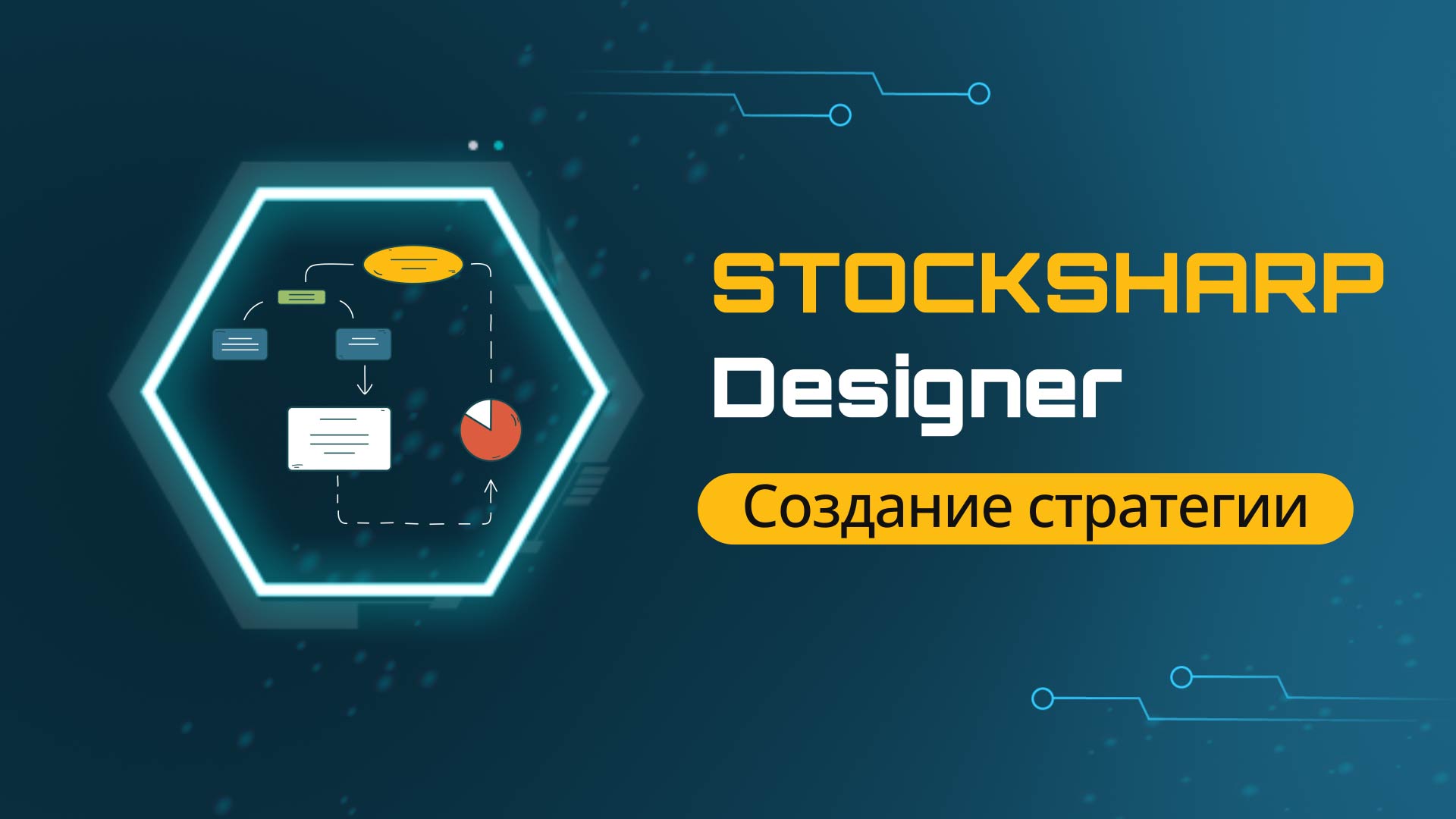
StockSharp Designer — free. Open-source, flowcharts, code export. Russian + international markets. Less mature, but functionally close to TSLab.
NinjaTrader Strategy Builder — 150,000 rubles lifetime or 120,000 per year. Tabular interface (not blocks), international markets only. Mature product, but for a narrow niche.
fxDreema — 10,000 rubles per year. Browser-based flowcharts, MetaTrader only. A side project by enthusiasts. It works, but there’s a risk it could shut down.
ADL — 1.8 million rubles per year (minimum). Visual builder inside a professional platform. Couldn’t test it, but based on reviews — a solid tool for those who truly need it.
The price difference — 30x compared to TSLab and 180x compared to fxDreema.
Honest Conclusion: I Couldn’t Test It
Usually in my articles, I write about real experience. Installed, tried, ran into problems, drew conclusions.
With ADL, that didn’t happen.
The reason is simple: it’s an enterprise solution. They don’t have a demo version. No trial period. Not even public pricing. Everything is “contact us,” “custom offer,” “depends on volume.”
I could have written an article based on TT’s marketing materials. But that wouldn’t have been my article — it would have been a retelling of someone else’s advertising.
Instead, I decided to write honestly: ADL looks like a powerful tool, but it’s not for ordinary traders.
If you trade millions of dollars through American futures, work at a prop firm or hedge fund, and need a visual builder with institutional-grade infrastructure — ADL might be a good choice.
But if you’re an individual trader who wants to build a robot for the Moscow Exchange or just try algorithmic trading — forget about ADL. Too expensive. Too hard to get access. Too tailored for the institutional level.
What I Did Instead
Unable to get access to ADL, I went back to what I had already tested:
- StockSharp Designer — free, works with Russian brokers, open-source
- fxDreema — 10,000 per year, if you trade through MetaTrader
- TSLab — 60,000 per year, if you want a ready-made solution with support
All three offer visual programming. All three are actually accessible. All three can be tested in 20 minutes.
My conclusion: For 99% of traders, ADL is a pretty picture on the Trading Technologies website. Inaccessible, expensive, institutional.
Maybe someday I’ll have access to TT Platform. Then I’ll write a full ADL review with real tests and screenshots.
For now — this is a story about a platform I couldn’t test. But one that perfectly illustrates the difference between retail and institutional algorithmic trading.
Institutional players pay millions for infrastructure. Retail traders build robots from free open-source libraries.
Two different universes. ADL is from the one where the minimum platform fee costs as much as a nice car.
Useful links:
Share this article:
Related Posts

























Discussion
Join the discussion in our Telegram chat!