AI vs Open Source: What Actually Changed and Where the Line Is
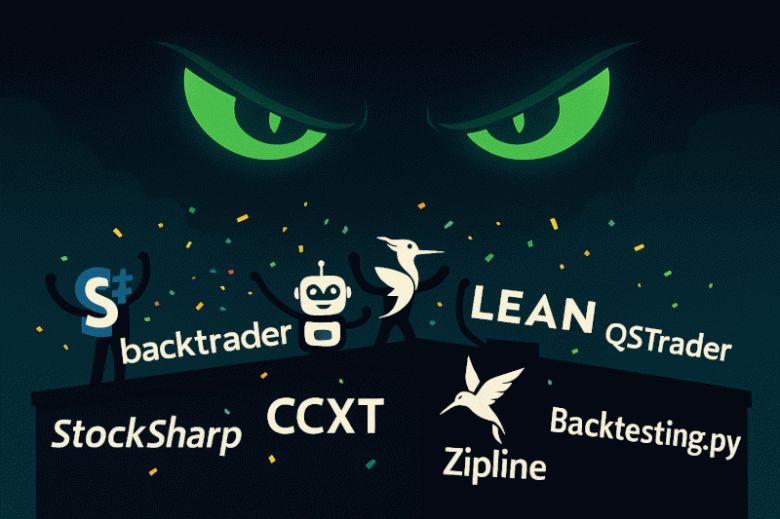
I published a new article on Habr: “AI vs Open Source: What Actually Changed and Where the Line Is”
With the emergence of working code models, a more down-to-earth development path has appeared: formulate a requirement, write tests, and get a small, understandable module with no unnecessary dependencies. This isn’t a war against OSS – it’s a shift in the equilibrium point.
Main Takeaways:
What Changed
- Before: “library first.” Search for a library, accept transitive dependencies, read documentation.
- Now: “description -> tests -> implementation.” Small, testable modules instead of monolithic “combines.”
Where AI Already Replaces Libraries
- Mini-implementations: indicators (EMA/SMA/RSI), statistics, risk rules
- Narrow integrations: REST/WebSocket clients with just 2-3 needed methods
- Skeleton generation: backtest scaffolds, data schemas
- Adapters: mapping between exchanges, code migrations
Where AI Should NOT Replace OSS
- Cryptography and secure protocols
- Binary protocols (FIX/ITCH/OUCH/FAST)
- Database engines, compilers, runtimes
- Numerical solvers and optimizers
Practical Advice
- Keep modules small
- Describe behavior in simple words
- Do minimal checks for confident merges
- Generate without external dependencies
In algorithmic trading, this is especially relevant: fewer dependencies means lower risks, more compact artifacts, easier audits, and faster iterations.
Key Takeaway: Choose your tool based on context. A narrow task that’s easy to describe and verify is a candidate for generation. Everything else – go with proven OSS.
Share this article:
Related Posts
























Discussion
Join the discussion in our Telegram chat!