Building Trading Strategies Without Coding: A Series Introduction
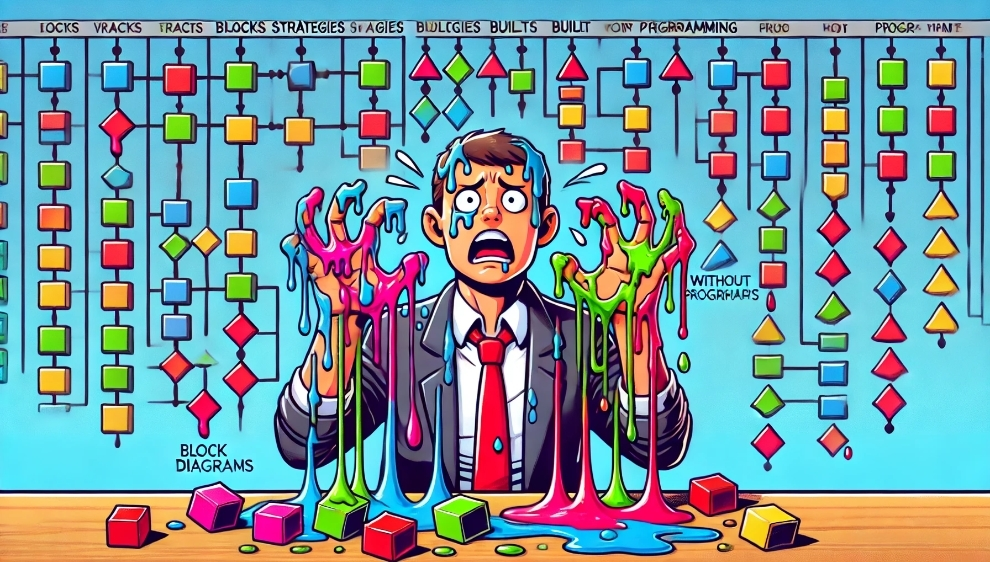
Hello! Today I’m starting a series of articles about how to build trading strategies without coding. I’m a proficient programmer myself, but I became curious about what can be accomplished using visual strategy builders. So I’ll approach this not just as a regular user, but as a specialist who can evaluate both approaches. Ultimately, I’ll try to compare the convenience of writing code versus using block diagrams. This will provide an objective look at how each method helps create trading strategies and which might be more effective in different situations.
It’s also worth noting that most overview articles on this topic are either blatant advertising for a particular product or superficially describe tools without going into detail. But as we know, the devil is in the details. That’s why I’ll try to make my review as thorough as possible, and this is precisely why it physically cannot fit into a single article — the scope of the research is too large.
Why This Topic Matters
No-code strategy building tools have a huge following because not everyone knows how to program. Learning a programming language just for trading is like buying a cow just to have fresh milk every morning. Most traders look for quick and convenient solutions that allow them to deploy algorithms without diving deep into code. That’s why visual strategy builders are becoming increasingly popular.
Some people even pay for programming courses, which in my opinion is a waste of time and money. To even begin programming at a basic level, you’d need at least a year of study. And the most effective way to learn programming today is by learning to build trading bots with AI assistance. All other online courses are essentially programmers teaching other programmers, which isn’t always useful for those who want to apply programming to trading.
No-Code Strategy Building Platforms
-
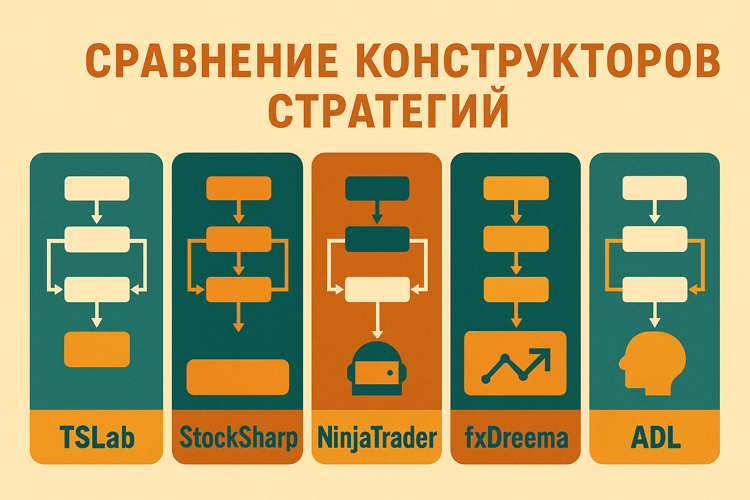
TSLab One of the most popular visual strategy builders on the Russian market. TSLab offers a powerful set of ready-made blocks for creating strategies with the ability to work with exchange data. The system allows you to combine blocks and configure algorithms without touching any code.
-
Designer by StockSharp StockSharp is a universal algorithmic trading platform that includes a visual strategy designer. This tool allows you to create trading strategies using blocks, making the process intuitive for those who don’t want to or can’t code.
-
Strategy Builder by NinjaTrader NinjaTrader is a globally popular platform, but few people know it offers a flexible no-code strategy builder. Strategy Builder provides traders with intuitive tools for quickly creating trading algorithms, and I plan to explore how useful this tool can be for experienced traders.
-
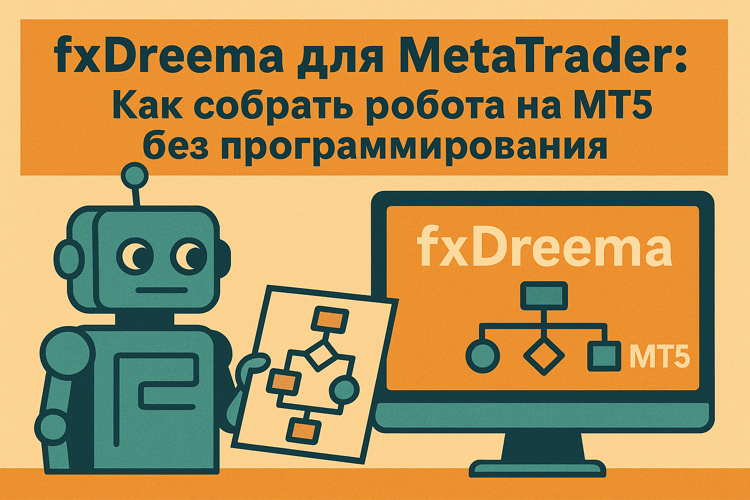
fxDreema fxDreema is a powerful online tool for building MetaTrader robots without writing code. While MetaTrader is well known, fxDreema is a less popular solution, but it offers rich functionality for building algorithms from scratch.
-
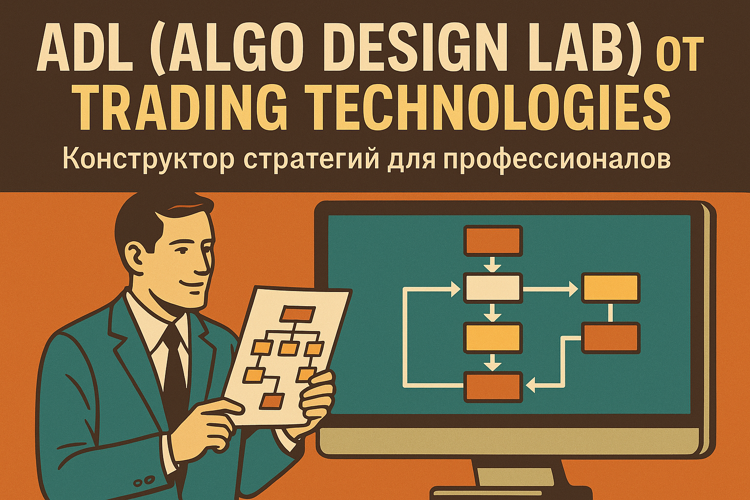
ADL (Algo Design Lab) by Trading Technologies ADL from Trading Technologies is a powerful tool for building algorithms using visual blocks. Despite its strengths, few traders know about it. In this series of articles, I’ll try to take a deeper look at its capabilities and evaluate its applicability for traders.
The order of programs in this list is not random. Although platforms like MetaTrader and NinjaTrader are well known and popular worldwide, their no-code strategy building capabilities are relatively unknown. Yes, these platforms are leaders in terms of reach, but many traders don’t even realize that solutions exist for building strategies without coding on their platforms. That’s why they’re at the end of the list — despite their popularity as platforms, their no-code solutions remain in the shadows.
Meanwhile, TSLab and StockSharp are actively used in Russia, especially on the Moscow Exchange, and their no-code strategy building features are widely known. These programs are first on the list because they’ve long become the standard in the Russian trading community, although they have significantly less presence on the global stage.
What’s Next?
I’ll be comparing the tools using the following criteria:
- Functionality: Availability of built-in tools and indicators, ability to connect to various markets.
- Flexibility and Customization: Ability to add custom modules and capabilities.
- Performance: Speed of operation and strategy execution during backtesting.
- Cost: Payment model — one-time purchase or subscription, and availability of free versions.
- Support and Community: Availability of technical support and an active user community.
- Mobility and Cloud Solutions: Availability of mobile apps and cloud-based operation.
I’ll try to compare strategy builders across these criteria to get a more complete picture.
Before I continue, I’d like to get feedback from you, my readers. Perhaps I’ve missed an important product that should be included in this review? Write in the comments or leave your suggestions — your input matters to me.
This is just the first article in a series where I introduce the platforms I plan to review. In the following articles, I’ll dive deeper into each of these programs, focusing on their strengths and weaknesses, as well as their capabilities for creating real trading strategies. As someone accustomed to traditional programming, I want to understand whether these tools can be truly useful and effective for experienced traders.
The most exciting part is still ahead!
Share this article:
Related Posts




























Discussion
Join the discussion in our Telegram chat!